
The main types of dentures are full dentures, partial dentures, immediate dentures, implant-retained dentures, and fixed implant-supported dentures. In the United States, costs can range from a few hundred dollars for a basic removable denture to $20,000 or more per arch for a fixed implant restoration, depending on materials, lab work, implants, and any extra treatment needed first. The lowest upfront price is not always the best long-term value. Fit, comfort, appearance, maintenance, and the condition of your teeth, gums, and jawbone all affect which option makes the most sense. If you are comparing removable tooth-replacement options, our dentures and partials resource can help you understand which designs may better restore comfort, chewing, and appearance. Dr. Scott R. Adishian in Arcadia, CA helps patients weigh practical trade-offs so treatment choices align with daily function, long-term goals, and budget. The ranges below are broad U.S. estimates. They may not include exams, imaging, extractions, bone grafting, sedation, temporary teeth, or follow-up adjustments. General denture costs vary widely, so the most useful number is a written treatment estimate for your specific case. Denture Type Typical U.S. Cost General Use Complete removable denture $600 to $4,000 per arch Replaces all teeth in the upper or lower arch Removable partial denture $700 to $3,500 per arch Replaces several teeth while some natural teeth remain Immediate denture $1,000 to $4,000 per arch Inserted soon after remaining teeth are removed Implant-retained removable denture $5,000 to $15,000 or more per arch Snaps onto implants for greater stability Fixed implant-supported denture $15,000 to $30,000 or more per arch Attached to implants and removed only by a dental professional These ranges overlap because the word “denture” covers very different designs and levels of customization. Premium denture teeth, stronger base materials, more detailed esthetics, extra fittings, and specialist care can all increase the fee. A complete removable denture replaces all teeth in one arch. An upper denture usually covers part of the palate and relies on suction, while a lower denture rests on the gums and is often less stable because of tongue movement and lower jaw anatomy. This is usually the most affordable way to replace a full arch without implants. It can improve appearance, speech, and chewing, but it does not function like natural teeth. After teeth are lost, the jawbone gradually changes shape. As that happens, a denture may loosen and need relining or replacement even if it is not cracked or visibly worn. A removable partial denture replaces several missing teeth when some natural teeth remain. It uses those teeth for support or retention. Common designs include acrylic partials, metal-framework partials, and some flexible materials. Cost, thickness, durability, and appearance vary by design. Metal-framework partials are often thinner, stronger, and more durable than basic acrylic versions. However, clasps may show in some smiles, and the supporting teeth must be healthy enough to handle the added force. A partial denture often costs less than replacing every missing tooth with an implant. It may also be a practical choice when bone volume, medical factors, or budget make implant treatment less realistic. Read more about removable partial dentures. An immediate denture is made before teeth are removed and placed soon after the extraction visit. This lets a patient avoid going without teeth during early healing. Because the gums and bone change quickly after extractions, early adjustments are common. The denture may need a temporary liner, a lab reline, or replacement after healing stabilizes. When comparing costs, it is important to include these likely follow-up steps. An immediate denture can be helpful, but it is often part of a staged process rather than the final long-term prosthesis. An implant-retained denture snaps onto attachments connected to dental implants. It is still removable for cleaning, but the implants can greatly reduce slipping and movement, especially in the lower arch. Cost depends on the number of implants, the attachment system, imaging, surgery, and whether bone grafting is needed. Learn more about dental implants, since implant selection and surgical planning are major cost factors. For a step-by-step overview of the process, see implant placement basics. The clips or inserts that help the denture attach can also wear over time and may need periodic replacement. Implants must heal and integrate with the jawbone before they can handle full biting force, so treatment often takes several months. Smoking, uncontrolled diabetes, limited bone volume, and some medical conditions can affect healing, and published evidence on implant failure factors supports the need for careful case selection. A fixed implant-supported denture is attached to several implants and is not removed by the patient. It is often called a full-arch fixed bridge or hybrid restoration. Compared with a conventional removable denture, this option usually offers stronger chewing function, more stability, and a more natural feel. It also has the highest initial cost because it combines surgery, implants, precision parts, temporary restorations, and a custom final prosthesis. Some patients also need extractions, bone reduction, or grafting, which can increase both treatment time and total cost. In some full-arch cases, techniques such as All-on-4 can reduce the number of implants needed while still providing a fixed restoration. An implant-anchored bridge may restore multiple teeth as an alternative to a full-arch prosthesis in selected cases. Fixed does not mean maintenance-free. Professional servicing may still be needed, and careful cleaning under the restoration is essential to protect the implants and surrounding tissues. Denture fees reflect much more than the visible replacement teeth. The final price depends on bite complexity, material quality, number of visits, lab technique, clinician experience, and whether care is provided by a general dentist, prosthodontist, oral surgeon, or a coordinated team. Additional costs may include: Insurance coverage varies widely. Many dental plans help with part of a removable denture fee but may have annual maximums, waiting periods, replacement limits, or implant exclusions, while Medicare generally does not cover routine dentures. A well-made denture should support the lips and cheeks, maintain a balanced bite, and look natural for the face. Tooth shape, shade, arrangement, gum color, and tooth display can often be customized, although anatomy and available space may limit the result. Most removable dentures require an adjustment period. Chewing efficiency is usually lower than with natural teeth or many fixed implant restorations, so patients often do best by starting with softer foods and returning for adjustments when needed. Sore spots should be evaluated by a dentist rather than tolerated or altered at home. Small fit problems can become larger comfort and tissue issues if they are ignored. Removable dentures often last about 5 to 10 years, though some need earlier replacement because of wear, fracture, bite changes, or bone loss. Implant restorations may last longer in suitable patients, but parts can still wear or break, and long-term success depends on daily hygiene and professional maintenance. The right denture is not always the least expensive one. A lower-cost option may work well for basic tooth replacement, while greater stability, stronger chewing, or more customized esthetics usually requires more involved treatment. A proper evaluation should consider remaining teeth, gum health, bone support, bite, hand dexterity, medical history, and cleaning ability. Those details help determine whether a removable or implant-based design is realistic and predictable. Seek prompt dental care for severe or worsening pain, facial swelling, fever, uncontrolled bleeding, trouble swallowing or breathing, or a denture or implant that becomes suddenly loose after an injury. Persistent sores, red or white patches, unexplained lumps, or ulcers lasting more than two weeks also need professional evaluation. A consultation with a dentist or prosthodontist can clarify which options are clinically appropriate. Ask for a written plan that separates the denture or prosthesis fee from surgery, preparatory care, temporary teeth, and expected maintenance so you can compare total long-term value more clearly. Our dentures and partials page outlines common removable designs, materials, and typical fees to help you prepare questions for that visit. A broader treatment perspective, such as full mouth reconstruction, may also be relevant in some cases. A focused consultation can clarify which denture approach will best meet your function and appearance goals and outline realistic costs and timelines. For personalized care with Dr. Scott R. Adishia in Arcadia, CA, please call our office at (626) 796-3700 to schedule a consultation. A basic complete acrylic denture is usually the most affordable option when all teeth in an arch are missing. If some healthy teeth remain, an acrylic partial denture may be a lower-cost solution, though it may not offer the durability or fit of a metal-framework partial denture. Prices vary because dentures differ in materials, customization, lab process, clinician time, and clinical complexity. Extractions, imaging, grafting, implants, temporary teeth, and future adjustments can all change the total fee significantly. Implant dentures may be worth the added cost for patients who want more stability, chewing confidence, and comfort than a conventional denture can provide. The answer depends on bone health, medical factors, hygiene, budget, and willingness to maintain the implants and attachments. Many dental plans cover part of the cost of conventional dentures, subject to deductibles, annual limits, waiting periods, and replacement rules. Implant coverage is less consistent, so patients should request a plan-specific pretreatment estimate rather than assume coverage. Sometimes an existing denture can be modified to connect to implants if its fit, strength, bite, and tooth position are suitable. In other cases, a new denture is needed to create proper space for the attachments and a more predictable result.Common Types of Dentures and Typical Costs
Complete Removable Dentures
Removable Partial Dentures
Immediate Dentures
Implant-Retained Removable Dentures
Fixed Implant-Supported Dentures
What Determines the Final Price
Function, Appearance, and Longevity
Choosing the Right Denture
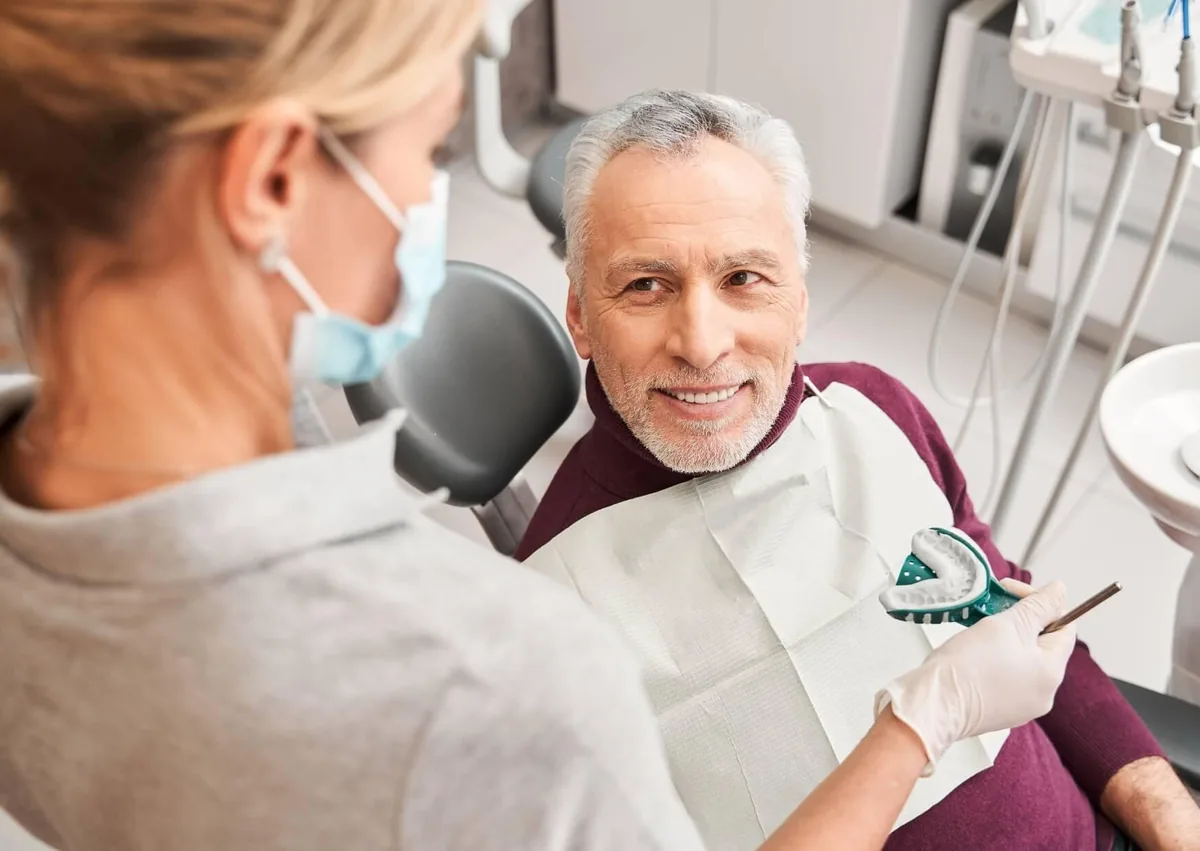
Get a Denture Plan Built Around Your Needs
FAQs
What is the most affordable type of denture?
Why do denture prices vary so much?
Are implant dentures worth the additional cost?
Does dental insurance cover dentures?
Can an existing denture be converted to an implant denture?
Related Articles
Recent Posts