
Losing a front tooth or planning an extraction can make eating, speaking, and smiling feel awkward very quickly. A flipper tooth is one of the fastest ways to fill that space while a more permanent plan is being considered. A flipper tooth is a removable temporary partial denture. It usually includes one or more replacement teeth attached to a lightweight acrylic base that rests against the gums. In most cases, it is meant to improve appearance first, with only limited help for chewing. Dentists often use a flipper after an extraction, during implant healing, or while a crown, bridge, or partial denture is being made. It can be a practical short-term option, especially when a visible front tooth is missing. Dr. Adishian's prosthodontics practice in Arcadia, CA provides advanced restorative planning and temporary solutions like flippers. A flipper is custom made from an impression or digital scan of the mouth. The replacement tooth is shaped to blend with nearby teeth, and the acrylic base helps hold it in place. Some flippers stay in position by lightly engaging the natural contours of nearby teeth. Others use small clasps. Even with a good fit, a flipper is usually less secure than an implant crown, bridge, or well-designed long-term partial denture. Because it rests partly on the gums, the fit can change as the tissues heal. This matters most after a recent extraction, when the ridge often shrinks during the first few months. A flipper tooth is often recommended when appearance is the main immediate concern. This is especially common when a front tooth is missing and the patient wants a quick, removable replacement. Common situations include: A flipper usually works best as a transition appliance, not as a long-term solution. It can be very useful, but its strengths and limits should be clear from the start. A flipper can make a smile look more complete within a short time. For many patients, that alone makes social situations and work interactions much easier. It may also help with speech if the missing tooth changes how certain sounds are formed. There is often a short adjustment period, and some people notice a slight lisp at first. Its limits matter just as much. A flipper is usually not strong enough for heavy chewing, and it may feel bulky or mobile during meals. It can also place pressure on healing gums, which is one reason dentists monitor the fit closely after extractions. A good flipper should improve appearance without being mistaken for a permanent tooth. Patients searching for what a flipper tooth is often also want to know whether it is the best option. The answer depends on timing, budget, healing, and the condition of nearby teeth. A dental implant replaces the tooth root and supports a crown that is fixed in place. It is usually the most stable and natural-feeling option, but it takes more time, enough bone support, and a greater financial commitment. A flipper is much faster and less invasive. It does not preserve bone the way an implant can, and it is not meant to handle the same chewing forces. For a step-by-step look at that process, see the implant placement process. A dental bridge is fixed in the mouth and usually feels more secure than a flipper. It may be a good option when the neighboring teeth already need crowns, but it often requires reshaping those teeth. A flipper does not usually require that kind of tooth preparation. That makes it more conservative in the short term, but also less durable. A long-term dentures & partials appliance is generally stronger and more stable than a flipper. It is often made with a more durable framework and is intended for longer use. To compare temporary flippers with more durable appliances, read about partial dentures. A flipper is typically lighter and simpler, which is useful during healing but comes with trade-offs in comfort and function. A flipper tooth often feels noticeable at first. The acrylic base takes up space along the gums or palate, so the mouth may need several days to adjust. Mild pressure can be normal when the appliance is new, especially if it was made soon after an extraction. Sharp pain, pinching, sores, or a fit that suddenly becomes loose should be checked by a dentist. Chewing usually requires some caution. Softer foods are often easier at first, and biting directly into hard foods with the flipper tooth is usually not ideal. Speech can also change briefly. Most patients adjust, but a flipper that clicks, lifts, or consistently interferes with speaking may need an adjustment. A flipper tooth is usually considered a temporary appliance. In many cases, it is worn for weeks to months rather than years. How long it lasts depends on the material, how often it is worn, whether the mouth is healing, and how much chewing stress it takes. Acrylic can crack, and the fit may change as the gums and bone remodel after extraction. Some patients do end up wearing a flipper longer than planned. That can happen, but it is usually not ideal if comfort, bite stability, and tissue health are the goals. A flipper tooth needs regular cleaning because it can collect plaque, food debris, and stain. Plaque is a soft bacterial film that can irritate the gums and contribute to odor. It should be handled carefully because acrylic can fracture if dropped. Patients should follow their dentist’s instructions for wear time, cleaning, and when to remove it. The ADA’s guidance on denture care can also help patients understand the basics of cleaning removable appliances safely. Any removable appliance that starts to smell, feel rough, or cause sore spots deserves attention. Most flipper issues are minor and fixable, but some deserve prompt evaluation. A flipper that no longer fits can rub the gums, trap food, and interfere with healing. Contact a dentist promptly if there is increasing pain, swelling, bleeding, pus, fever, or a bad taste that does not improve. These signs of infection may point to a healing problem rather than a simple appliance adjustment. Cracks, repeated slipping, or pressure on neighboring teeth should also be assessed. If the appliance was placed after an extraction, follow-up is especially important because the shape of the ridge can change quickly. A flipper may not work well if there are very few supporting teeth, significant bite instability, or limited space for the appliance. It can also be a poor fit for patients who want a strong chewing function from the start. Some people find removable appliances difficult to tolerate because of gagging, dry mouth, or sensitivity along the palate. Others may do better with a bridge, implant, or a more durable partial denture design. This is one reason a proper exam matters. The best tooth replacement is not just about filling a gap. It is also about how the bite works, how the tissues are healing, and what result is realistic over time. The visit usually starts with an exam of the missing tooth area, the bite, and the health of the surrounding teeth and gums. dental X-rays may be needed if the dentist is planning around an extraction site, implant timing, or bone support. An impression or digital scan is then used to make the appliance. The dentist will also choose the tooth shade and shape so the result blends as naturally as possible. After delivery, small adjustments are common. A flipper that looks acceptable but causes pressure spots is not truly successful, so follow-up matters more than many patients expect. If the main question is what a flipper tooth is, the short answer is this: it is a temporary removable tooth replacement used to fill a gap while the mouth heals or while a more durable option is being planned. It can be a very practical solution, especially for a front tooth, but it works best when patients understand its limits. A well-made flipper can restore confidence quickly and create time for careful treatment planning. If a missing tooth, upcoming extraction, or unstable temporary is affecting comfort or appearance, prosthodontics can help explain whether a flipper makes sense or whether another option would serve the mouth better long term. Dr. Adishian's prosthodontics practice in Arcadia, CA can help patients from Arcadia and nearby communities with personalized restorative planning; call our office at (626) 796-3700 to schedule a consultation. No. A flipper tooth is usually a temporary appliance, even if some patients wear one longer than originally planned. Usually yes, but function is limited. Softer foods are often easier, and heavy biting on the replacement tooth may loosen or damage the appliance. It can look quite natural from a conversational distance, especially when replacing a front tooth. The final appearance depends on the fit, tooth shade, smile line, and the condition of the surrounding gums. It should not cause significant pain. Mild pressure or an adjustment period can be normal, but persistent soreness, ulcers, or worsening pain should be checked. For long-term stability and function, many patients do better with an implant, bridge, or a stronger partial denture. The best choice depends on healing, budget, bite forces, and the condition of nearby teeth.How a Flipper Tooth Works
When Dentists Recommend a Flipper Tooth
What a Flipper Tooth Can and Cannot Do
How It Compares With Other Tooth Replacement Options
Flipper Tooth vs. Dental Implant
Flipper Tooth vs. Dental Bridge
Flipper Tooth vs. Partial Denture
Option Main Use Stability Durability Best Fit Flipper tooth Temporary replacement Low to moderate Limited Short-term cosmetic gap coverage Dental implant Long-term fixed replacement High High Single missing tooth with adequate bone Bridge Long-term fixed replacement Moderate to high Moderate to high Missing tooth with suitable neighboring teeth Partial denture Removable longer-term replacement Moderate Moderate Multiple missing teeth What It Feels Like to Wear One
How Long a Flipper Tooth Lasts
Cleaning and Daily Care
Possible Problems and Red Flags
Who May Not Be a Good Candidate
What to Expect at the Dental Visit
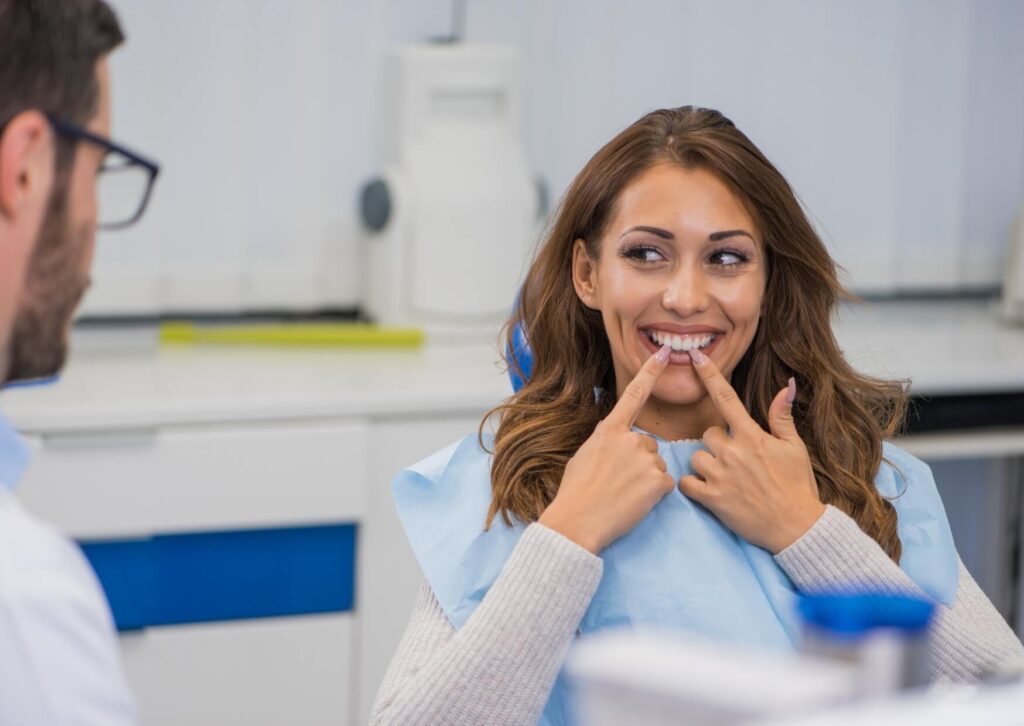
A Thoughtful Plan Leads to Better Long-Term Results
FAQs
Is a flipper tooth permanent?
Can you eat with a flipper tooth?
Does a flipper tooth look natural?
Is a flipper tooth painful?
What is better than a flipper tooth?
Related Articles
Recent Posts