
The main missing teeth replacement options are dental implants, fixed bridges, and removable dentures and partials. Implants often provide the most tooth-like support and can help preserve bone in the area of the missing root, while bridges replace teeth without implant surgery and dentures restore several or all teeth with a removable appliance. The right choice depends on how many teeth are missing, where they are located, the condition of the bone and gums, the health of nearby teeth, medical factors, and budget. Replacing a missing tooth is not only a cosmetic decision. An untreated space can allow nearby teeth to shift, change the bite, reduce chewing efficiency, and contribute to bone loss where the root is no longer present, although the degree of change varies by person and by location. If you're weighing implants, bridges, or dentures and want a plan that balances function and appearance, a prosthodontic dentistry evaluation can clarify the best path. Dr. Scott R. Adishian in Arcadia, CA provides detailed restorative planning to protect chewing function and achieve a natural-looking smile. A dentist should evaluate the whole bite, not just the visible gap. The comparison below reflects common treatment patterns, but the best option still depends on an exam and dental imaging. Option Best Suited To Main Benefits Important Limits Dental implant One, several, or all missing teeth Independent support, strong chewing function, helps preserve local bone Requires surgery, healing time, and enough bone; higher initial cost Fixed dental bridge Often one or a few adjacent missing teeth Nonremovable, relatively fast, natural-looking Usually requires reshaping neighboring teeth; does not replace the missing root Removable partial denture Several missing teeth with some natural teeth remaining Replaces multiple teeth, removable, generally lower initial cost May move slightly, require adjustment, and provide less chewing force Complete denture All teeth missing in one arch Restores the full smile without placing an implant for every tooth Stability and chewing efficiency vary; bone changes can loosen the fit Implant-supported bridge or denture Several or all teeth missing Greater stability than a conventional denture, fewer implants than a tooth-per-tooth approach; specialized options such as All-on-4 implants may be considered Involves surgery, maintenance, and adequate bone or bone-grafting options A dental implant is a titanium or ceramic post placed in the jaw to act as an artificial tooth root. After it integrates with the bone, it can support a crown, bridge, or denture depending on how many teeth are missing. The main advantage is that an implant can replace a tooth without depending on adjacent teeth for support. It also transfers chewing forces into the jaw, which can help limit bone shrinkage at that site, though it cannot stop every age-related or disease-related change. Implant treatment often takes several months because bone integration and soft-tissue healing need time. Bone grafting, extraction-site healing, sinus anatomy, smoking or nicotine use, uncontrolled diabetes, active gum disease, and some medical treatments may affect timing, candidacy, and implant survival. Implants are not maintenance-free and are not guaranteed to last for life. With good planning and care, they can function well for many years, but inflammation, heavy bite forces, component wear, or loss of bone support can still lead to complications. A traditional fixed bridge uses crowns on the teeth beside a gap to support an artificial tooth between them. It can be a practical option when the neighboring teeth already need crowns or when implant treatment is not appropriate or not preferred. Bridge treatment usually avoids implant surgery and may be completed more quickly than an implant restoration. The tradeoff is that the supporting teeth usually need to be reduced, and those teeth must carry the chewing load for the replacement tooth. Cleaning under the artificial tooth requires a floss threader, interdental brush, or another method recommended by the dental team. A bridge may last many years, but decay, fracture, gum disease, or nerve problems in a supporting tooth can affect the whole restoration. For patients who want more stability than a conventional bridge can provide, implant-supported bridges are another option. These restorations use implants rather than natural teeth to support multiple replacement teeth. A removable partial denture replaces several teeth while using the remaining teeth and gum tissues for support. It may include a metal or acrylic framework with clasps, precision attachments, or other design features chosen for the clinical situation. A complete denture replaces all teeth in the upper or lower arch. Conventional dentures rest on the gums, while implant-supported designs connect to implants for better retention and stability. Many patients compare dentures and partials with implant-retained alternatives when deciding how much stability they want. Removable appliances usually require an adjustment period for speech and chewing and may need relining or replacement as the gums and jawbone change over time. They also need regular cleaning and proper handling outside the mouth. A dentist will usually give individualized instructions on wear time, hygiene, and follow-up care. No replacement fully recreates a natural tooth in every way. Implant-supported teeth usually offer the strongest stability, fixed bridges often feel secure because they are cemented in place, and removable dentures generally provide less biting force but can still restore useful function. Longevity depends on the restoration type, bite forces, oral hygiene, gum and bone health, smoking or nicotine exposure, and regular professional care. Even a well-made restoration may eventually need repair or replacement because porcelain can chip, denture teeth can wear, attachments can loosen, and supporting tissues can change. Appearance depends on more than the replacement tooth alone. Tooth color, shape, position, gum contours, lip support, and how much tooth or gum shows during speech and smiling all affect the final result. Front-tooth cases are often the most demanding. Small differences in gum height, translucency, or tissue shape may be visible, and some esthetic limits cannot be corrected by the replacement alone. Choosing among missing teeth replacement options usually starts with the condition of the remaining teeth, periodontal health, available bone, bite relationships, smile line, and the size and location of the space. X-rays are commonly needed, and three-dimensional imaging may be recommended when implants are being considered. Cost should be compared over the expected life of treatment, not only by the starting fee. Important factors include preparatory procedures, temporary teeth, laboratory work, maintenance, future repairs, and possible dental or medical insurance coverage. In some cases, active decay or gum disease must be stabilized before teeth are replaced. A prosthodontist, a dentist with advanced training in prosthodontic dentistry, may be especially helpful for complex bites, extensive tooth loss, demanding esthetic areas, or restorations involving multiple implants. Prompt evaluation is important if tooth loss follows an injury or if there is worsening pain, swelling, pus, fever, uncontrolled bleeding, or trouble swallowing or breathing. Otherwise, a restorative dentist can explain the realistic benefits and tradeoffs of each option and coordinate specialist care when needed. A personalized consultation should end with a written plan. That plan should outline the recommended restoration, alternatives, treatment sequence, healing expectations, maintenance needs, and likely costs. Discussing options with a prosthodontic dentistry team is the most effective next step to get a tailored plan and realistic timeline. Contact Dr. Scott R. Adishian for prosthodontic dentistry in Arcadia, CA and nearby La Quinta to arrange a consultation; call (626) 796-3700 or schedule online today. A single dental implant and crown often provide independent, tooth-like support when bone and health conditions are favorable. A fixed bridge or removable partial denture may be more suitable when surgery is not advisable, adjacent teeth need restoration, timing matters, or cost is the main concern. Some spaces remain fairly stable, especially in areas with limited functional or esthetic impact. Others can lead to tooth movement, bite changes, food trapping, reduced chewing, or progressive bone loss, so a dentist should assess the likely consequences before observation is recommended. Timing depends on infection, bone condition, gum health, and the type of restoration planned. In some cases, an implant can be placed at the time of extraction, while other cases need weeks or months of healing; a temporary removable or fixed tooth may be possible during that period. Implant placement is done with local anesthesia, and sedation may be available when appropriate. Some soreness, swelling, or bruising can happen afterward, but severe or worsening pain, persistent bleeding, fever, drainage, or increasing swelling should be reported promptly. Implant crowns and fixed bridges can both look very natural when tooth proportions, materials, and gum contours are favorable. Implant-supported and conventional dentures can also be designed attractively, but the final result depends on bone loss, lip support, smile line, and available restorative space.Missing Teeth Replacement Options at a Glance
Missing Teeth Replacement Options With Dental Implants
Missing Teeth Replacement Options With Fixed Bridges
Removable Missing Teeth Replacement Options
Function, Longevity, and Appearance With Missing Teeth Replacement Options
How Dentists Choose Among Missing Teeth Replacement Options
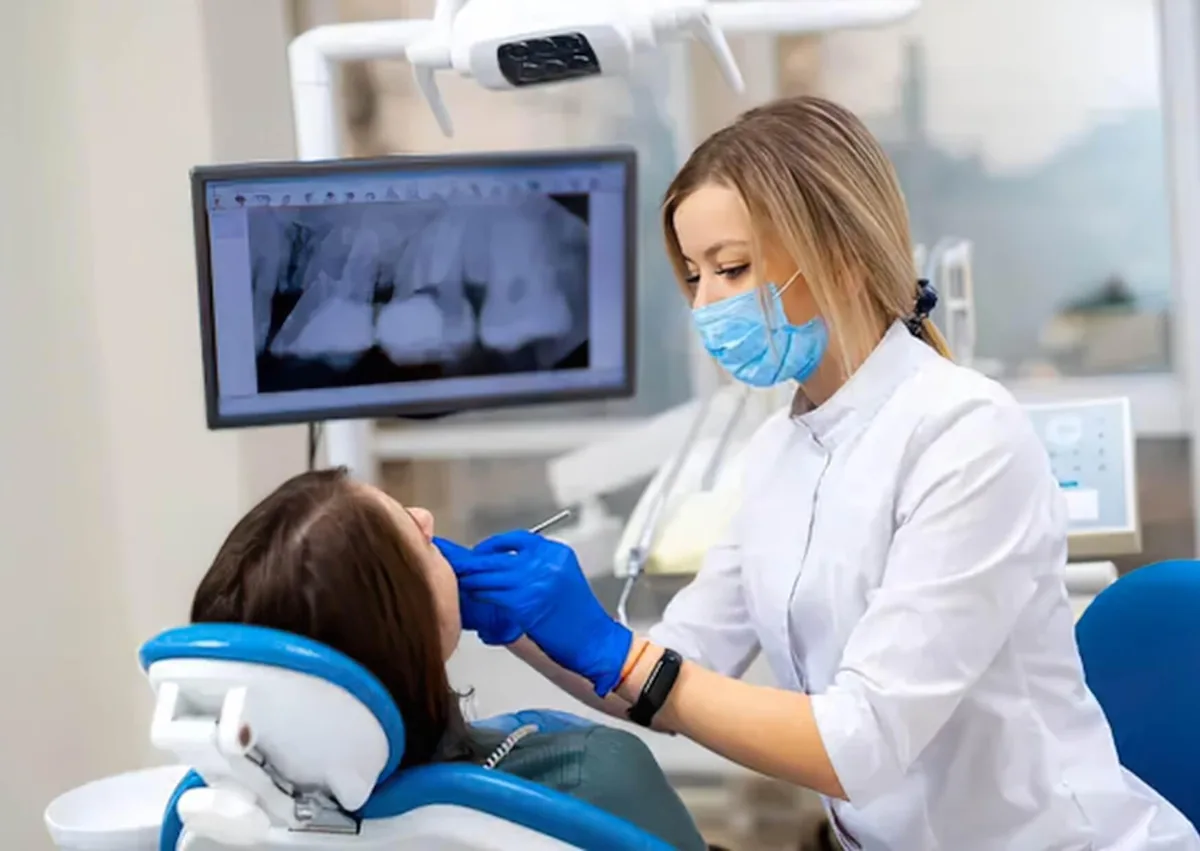
Build the Right Restoration Plan for Your Smile
FAQs
What is the best option for replacing one missing tooth?
Can a missing tooth be left untreated?
How soon after an extraction can a tooth be replaced?
Are dental implants painful?
Which missing tooth option looks most natural?
Related Articles