
If you are replacing missing teeth, dentures often cost about $1,000 to $4,000 per arch before insurance in the United States. Lower-cost options may be available, while premium dentures and implant-supported treatment can cost much more depending on materials, extractions, implants, lab work, and follow-up care. If you're weighing denture options and want a restoration that balances cost, fit, and appearance, consider how dentures and partials could address tooth loss and daily comfort. Dr. Scott Adishian tailors denture and partial care to restore chewing and smile confidence with personalized planning in Arcadia, CA. The cost of dentures and partials depends first on what kind of restoration you need. Full and partial dentures differ in design, support, and treatment steps, so their fees are not the same. An arch means all the teeth in the upper jaw or all the teeth in the lower jaw. Replacing both arches usually costs more than replacing one. These are broad national estimates, not quotes. Actual fees vary by region, clinician, dental laboratory, case complexity, and what is included in the treatment package. Denture Option Typical Cost Before Insurance Practical Distinction Economy full denture $600 to $1,500 per arch Basic materials and fewer customization options Conventional full denture $1,000 to $3,000 per arch Made after the gums have healed following extractions Premium full denture $2,000 to $4,000 or more per arch More individualized tooth shape, color, and fit Partial denture $700 to $2,500 per arch Replaces some teeth and attaches around remaining teeth Immediate denture $1,000 to $3,500 per arch Inserted soon after extractions and often needs later relining Implant-supported denture $5,000 to $20,000 or more per arch Uses dental implants for added retention; surgery and components affect cost Implant-retained options vary the most. A removable denture secured by a few implants is different from a fixed full-arch restoration, which may cost $20,000 to $40,000 or more per arch in some markets. The denture itself is only one part of the total fee. A proper estimate also reflects the condition of the gums, jawbone, remaining teeth, and bite before treatment begins. Common cost factors include: A very low advertised price may cover only the appliance. It may not include extractions, imaging, relines, or post-delivery visits. Ask for a written, itemized estimate before starting treatment. That helps you compare what is included now and what may be charged later. Higher fees do not automatically mean a denture is right for you, but they often reflect more customization. Tooth shape, tooth arrangement, gum shading, base material, and laboratory detail can all affect comfort and appearance. A basic denture may meet short-term needs at a lower cost. A more customized denture may offer a more natural smile, a more refined bite, and fewer compromises in daily function. The best value depends on your goals. Some patients prioritize affordability, while others want better retention, improved esthetics, or a more stable chewing experience. Conventional full dentures rest on the gums and rely on tissue shape, saliva, and muscle control for retention. Upper dentures often feel more stable because they can cover the palate, while lower dentures tend to move more because the tongue and floor of the mouth limit support. Partial dentures use remaining teeth for support and retention. A removable partial may use acrylic, metal, or more specialized attachments, and those design choices can affect both cost and appearance. Implant-supported dentures connect to a dental implant or to multiple dental implants. They can improve stability and chewing confidence, but they still require healthy bone, good hygiene, and ongoing maintenance. No denture fully reproduces the feel or chewing efficiency of natural teeth. Even a well-made denture takes time to adapt to, and very hard or sticky foods may still be difficult. Dental insurance may help pay for part of a denture, but coverage is often limited by deductibles, annual maximums, waiting periods, frequency limits, and coinsurance. In many cases, the plan maximum is much lower than the full treatment cost. Medicare generally does not cover routine dentures. Some Medicare Advantage plans may offer limited dental benefits, and Medicaid denture coverage varies by state and eligibility category. Dental discount plans and financing can also reduce out-of-pocket pressure. Compare the total repayment amount, fees, and interest instead of looking only at the monthly payment. Immediate dentures let you avoid going without teeth after extractions. They are made before the teeth are removed, so they cannot be based on fully healed gum contours. Because the gums and jawbone change during healing, an immediate denture often needs adjustments, temporary lining material, and later relining or replacement. Those added steps can increase the total cost. A conventional denture is made after initial healing, which usually makes the fit more predictable. The tradeoff is that you may need another temporary option, such as a flipper tooth, during that period. Dentures often last 5 to 10 years, but there is no fixed replacement schedule. Wear, staining, cracks, bite changes, and gradual jawbone shrinkage can make earlier adjustment or replacement necessary. A reline reshapes the tissue side of the denture to improve fit. A repair addresses damage such as a crack or broken tooth, but it cannot solve every problem caused by heavy wear or poor design. Regular dental visits still matter even if you have no natural teeth. A dentist can examine the tissues, check the bite, assess the fit, and screen for disease. The least expensive option is not always the most economical over time. Fit, durability, appearance, maintenance, and the health of any remaining teeth all affect long-term value. Implant support can improve stability, but not everyone is a candidate. Bone availability, smoking, oral hygiene, medical history, and surgical risk all matter. Before you commit, ask how many visits are expected, who fabricates the denture, whether try-in appointments are included, and how adjustments are handled. If implants are recommended, ask for separate fees for surgery, implant parts, the final prosthesis, and long-term maintenance. A comprehensive examination with a restorative dentist or prosthodontist gives the most reliable estimate. Bring your insurance details and your priorities so the treatment plan can be matched to your goals, timeline, and budget. To review options, costs, and whether implant support is appropriate for your situation, arrange a consultation to get a personalized treatment plan and cost estimate. Dr. Scott Adishian provides dentures and partials in Arcadia and serves patients near La Quinta; call (626) 796-3700 or request an appointment to discuss next steps. Usually, yes. Fees are commonly listed per arch, so replacing both upper and lower teeth generally costs more than treating only one jaw. Not always. Tooth extraction, imaging, sedation, bone preparation, and temporary appliances may be separate charges, so confirm the full treatment scope in writing. Sometimes. Minor cracks or broken denture teeth may be repairable, and a loose denture may be relined. Replacement may be the better choice when the base keeps breaking, the teeth are badly worn, or the bite and fit have changed too much. No. Filing, bending, gluing, or relining a denture at home can damage it and injure oral tissues. Persistent soreness should be evaluated by a dentist. Seek prompt care for worsening swelling, pus, fever, uncontrolled bleeding, severe pain, trouble swallowing or breathing, or a mouth sore that does not heal within two weeks.How Much Do Dentures Cost by Type?
What Determines How Much Dentures Cost?
How Much Do Dentures Cost When Fit and Materials Change?
How Denture Type Affects Fit, Function, and Appearance
How Much Do Dentures Cost After Insurance?
Immediate Dentures and How Much Dentures Cost During Healing
Denture Longevity and Ongoing Expenses
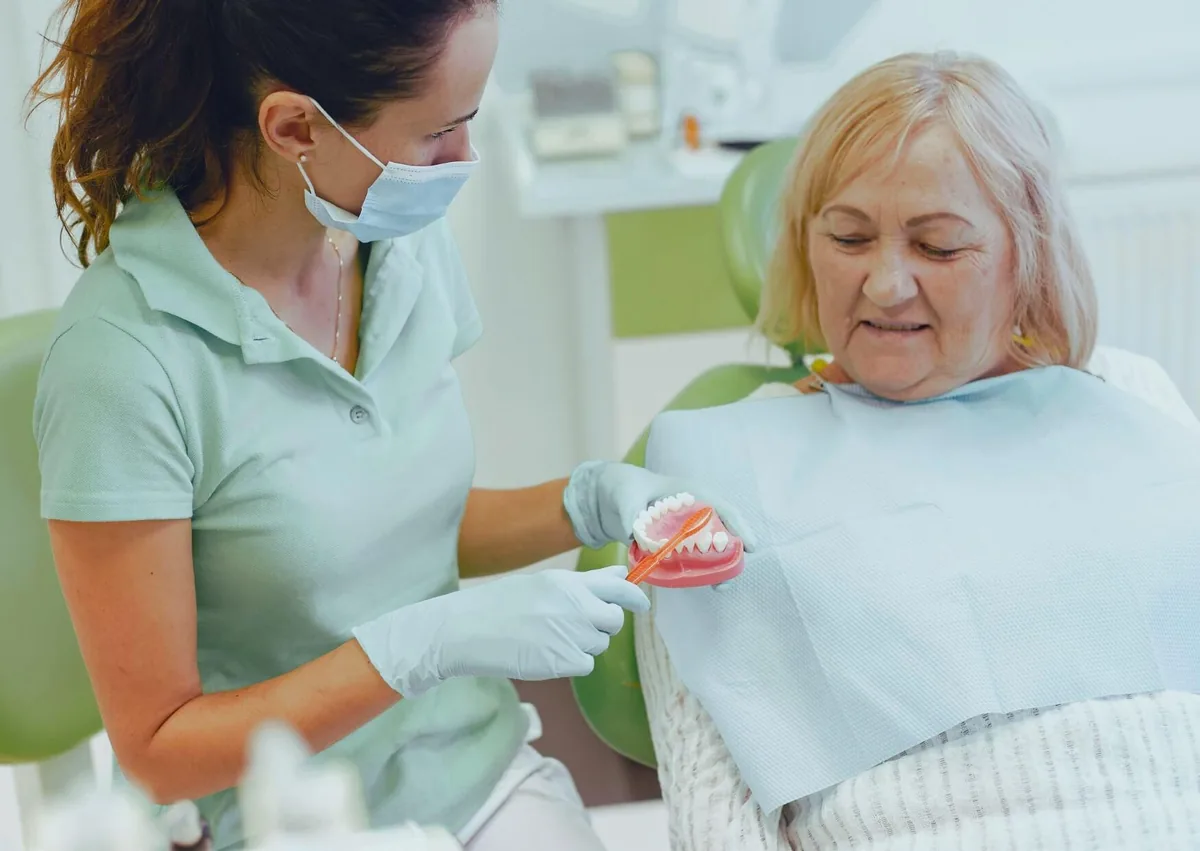
Choosing Dentures Based on Value, Not Price Alone
Rediscover Everyday Comfort With a Personalized Denture Plan
FAQs
Are upper and lower dentures priced separately?
Are tooth extractions included in the denture price?
Can dentures be repaired instead of replaced?
Should a painful denture be adjusted at home?
Related Articles