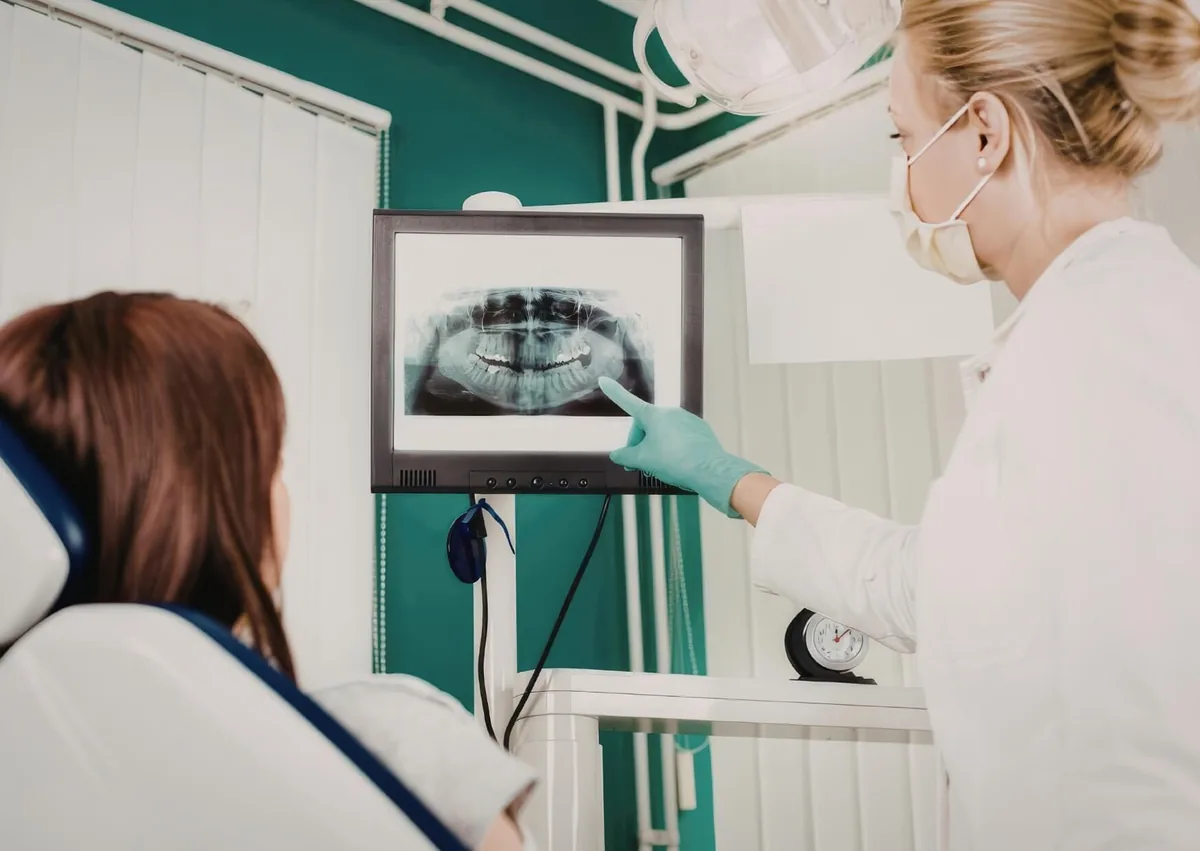
Implant restorations are the visible teeth attached to dental implants, such as a crown, bridge, or full-arch prosthesis. The right option depends on how many teeth are missing, where the implants are positioned, the health of the bone and gums, bite forces, hygiene access, and your appearance goals. If you are weighing options for replacing one or several missing teeth or a full arch, dental implants can provide a secure foundation that restores chewing, speech, and appearance. Dr. Scott Adishian in Arcadia, CA combines advanced restorative planning and cosmetic expertise to tailor implant solutions that match function and aesthetics. A dental implant is the titanium or ceramic fixture placed in the jawbone. The implant restoration is the visible replacement attached above it, usually through a connecting part called an abutment. If you are considering having a tooth replaced, see have a tooth replaced. Depending on the situation, the restoration may be a single crown, an implant-supported bridge, or a full-arch prosthesis. Some full-arch restorations stay fixed in place, such as All-on-4, while others snap onto implants and can be removed for cleaning. Restoration Common Use Removal Key Consideration Implant crown One missing tooth Dentist only Must fit the bite and neighboring teeth Implant-supported bridge Several adjacent missing teeth Dentist only Can replace multiple teeth without one implant per tooth Fixed full-arch restoration Most or all teeth in an arch Dentist only Requires careful hygiene beneath the prosthesis Removable implant overdenture Most or all teeth in an arch Patient Usually offers more stability than a conventional denture; see dentures and partials for removable options Planning starts with the implants, gums, bone, bite, and remaining teeth. Digital scans, photographs, and X-rays help confirm implant position and show how much space is available for a durable, natural-looking result. If an implant has not been placed yet, the restoration should ideally be planned before surgery. Implant depth and angle affect crown shape, gum contours, screw access, cleansability, and how well the restoration handles chewing forces. For a step-by-step overview of surgery, see the dental implant placement process. Existing implants also need careful evaluation because systems use different components. Prior records or imaging may be needed to identify compatible parts and determine whether an older restoration can be repaired or should be replaced. Common materials include zirconia, porcelain-based ceramics, titanium, and high-strength acrylic or composite. The best choice depends on where the restoration will sit, how much force it will receive, how much space is available, how easily it may need to be repaired, and the desired appearance. A restoration may be screw-retained or cement-retained. Screw-retained restorations are often easier to retrieve for maintenance, while cement-retained restorations can be useful in selected positions but require meticulous removal of excess cement around the gumline. No single material or attachment method is best for every patient. Heavy grinding, a deep bite, limited restorative space, or a long full-arch span may shift the priority toward strength, repairability, or force control. Well-designed implant restorations can restore stable chewing and a natural-looking smile. Front-tooth cases require especially close control of tooth shape, translucency, gum contours, and symmetry with nearby teeth. Implants do not move in the socket the way natural teeth do, so the bite must be adjusted carefully. They also do not get cavities, but the surrounding gums and bone can still become inflamed or infected, which is known as peri-implant disease. Some limits cannot be solved by the restoration alone. Significant bone loss, thin or receded gums, poorly positioned implants, smoking, uncontrolled diabetes, or severe clenching can affect appearance, cleaning access, comfort, and long-term predictability. For a new implant, the final restoration is usually made after the implant has integrated with the jawbone. This healing phase, called osseointegration, varies based on implant stability, bone quality, grafting, medical factors, and the area being treated. A temporary tooth may sometimes be placed during healing, but immediate function is not right for every case. After healing, the restorative phase usually includes scans or impressions, bite records, a trial stage when needed, and delivery with final fit and bite checks. Replacing an existing implant crown may be faster if the implant and surrounding tissues are healthy and compatible parts are available. More time may be needed if screws are damaged, implant identity is uncertain, gum contours need correction, or the bite must be redesigned. Implant restorations can last many years, but no restoration is permanent. For more on implant survival, see how long dental implants last. Ceramic can chip, acrylic teeth can wear, screws can loosen, and removable attachments can lose retention, even when the implant itself remains integrated. Long-term success depends on design, bite forces, home care, and regular professional maintenance. Daily cleaning must reach the gumline and the spaces beneath bridges or full-arch restorations. Floss threaders, interdental brushes, water flossers, or other aids may be recommended based on the design and the patient’s dexterity. Professional maintenance helps monitor the bite, screws, restorative materials, gums, and supporting bone. Nightguards may be recommended for clenching or grinding, although they cannot prevent every mechanical complication. An implant restoration should be checked if it feels loose, suddenly hits first in the bite, traps more food, develops a chip, or becomes harder to clean. Bleeding, swelling, tenderness, a persistent bad taste, drainage, or gum recession around an implant also deserves prompt evaluation. Avoid chewing hard foods on a loose or fractured restoration. Continued force can damage components and make repair more complicated. Sudden facial swelling, fever, difficulty swallowing or breathing, uncontrolled bleeding, or rapidly worsening pain requires urgent dental or medical care. A restorative dentist or prosthodontist can evaluate the full implant system rather than only the visible tooth. The best restoration balances appearance, strength, speech, comfort, hygiene access, repairability, and cost. A highly natural result is often possible, but the final appearance still depends on implant position and the amount and shape of the existing bone and gum tissue. An individualized examination can show whether the implant is ready to restore, whether the surrounding tissues are healthy, and which design offers the most predictable balance of function and aesthetics. Specialist-led planning is especially valuable for front teeth, full-arch cases, complex bites, limited bone or gum tissue, and restorations involving older or unfamiliar implant systems. For a personalized assessment of whether dental implants are the best restorative option for your case, arrange a consultation to review implant options, timelines, and expected outcomes. Dr. Scott Adishian focuses on dental implants in Arcadia, CA and welcomes patients from La Quinta to discuss treatment and next steps; please contact the office by calling (626) 796-3700 to schedule. No. The implant is the fixture placed in the jawbone, while the restoration is the crown, bridge, or denture connected to it. Often, yes, if the implant is stable, healthy, correctly positioned, and compatible restorative parts are available. A clinical examination and imaging are needed to determine whether the problem involves only the crown or also the abutment, screw, implant, gums, or bone. They can look very natural when implant position, gum contours, material selection, and tooth shape are favorable. Severe tissue loss or an implant placed in a compromised position may limit the result or require pink ceramic, gum treatment, or other design adjustments. The right interval depends on gum health, home care, restoration design, and risk factors such as smoking, diabetes, or grinding. Regular dental examinations and periodic imaging help identify inflammation, wear, or component problems before they become harder to manage. Coverage varies considerably by plan, treatment reason, and whether the benefit applies to the implant, abutment, or final prosthesis. A written treatment plan and predetermination of benefits can help clarify expected coverage, but they do not guarantee payment.What Implant Restorations Replace
How Implant Restorations Are Planned
Implant Restorations Materials and Attachment Options
What to Expect From Implant Restorations
Implant Restorations Timeline and Treatment Stages
Longevity and Maintenance of Implant Restorations
Signs an Implant Restoration Needs Evaluation
Choosing Implant Restorations With Realistic Expectations
FAQs
Are implant restorations the same as dental implants?
Can an implant crown be replaced without replacing the implant?
Do implant restorations look like natural teeth?
How often should implant restorations be checked?
Does insurance cover implant restorations?
Related Articles