If your dentures still look good, you may wonder whether they really need replacing. Dentures can last for several years, but they have no fixed expiration date: their useful life depends on fit, tooth wear, damage, and changes in your mouth. An examination can determine whether your current dentures remain suitable or need an adjustment, reline, repair, or replacement. If your dentures are slipping, causing soreness, or showing signs of wear, denture care can help you understand your options. Dr. Scott Adishian in Arcadia, CA, can assess their fit and condition so you can make an informed decision about repair or replacement. Key Takeaway: Your dentures’ fit and condition matter more than their age alone, and a problem does not always mean you need a new set. If they slip, hurt, or make chewing harder, have them examined to understand which treatment can help and what its limits are. Table of Contents A denture can remain intact while no longer fitting your mouth well. After tooth loss, the jawbone and gum contours can change, gradually reducing the support beneath a denture. The appliance also changes with use. Denture teeth can wear down, the base can develop cracks, and clasps on partial dentures can loosen or break. Several factors influence how long dentures remain useful: A removable partial denture also depends on the health of its supporting teeth. Decay, gum disease, or loss of a supporting tooth can require treatment or a redesigned appliance even when the denture itself appears sound. Persistent soreness or increasing difficulty chewing should not be dismissed as normal denture wear. New problems deserve an examination, particularly if you are changing your diet to keep an aging denture in place. Arrange a dental visit if you notice: These signs do not always mean you need a new denture. Your dentist needs to examine both the appliance and your mouth to identify the cause. Watch Out: Do not use household glue or try to reshape a denture yourself. Stop wearing an appliance with a sharp or unstable broken part, and contact your dentist for instructions. A mouth sore that lasts more than two weeks should be evaluated, even if you think the denture caused it. Seek prompt care for severe or worsening pain, swelling, or fever; trouble breathing or swallowing requires emergency attention. The best option depends on whether the problem involves fit, the material, the bite, or several of these together. Keeping an otherwise suitable denture may be reasonable, but repeated repairs cannot correct every problem. Option What It Addresses Main Limitation Adjustment A localized pressure spot or minor bite issue Does not correct major looseness or extensive wear Reline A gap between the denture base and changing gum contours Does not restore worn teeth or correct every bite problem Repair A broken component or localized damage Does not necessarily address why the break occurred Replacement Poor overall fit, substantial wear, or multiple problems Requires new records, appointments, and adaptation A reline changes the tissue-facing surface of the denture to improve its fit. It may help when the teeth, base, and bite remain suitable but the denture no longer closely fits the gums. Replacement may be more appropriate when the teeth are substantially worn, the base repeatedly breaks, or the denture no longer supports a comfortable bite. The decision should account for both the current problem and the limitations that would remain after a repair or reline. Pro Tip: Ask three questions before deciding on treatment: What caused the problem, what can the proposed treatment correct, and what limitations will remain? These answers help you weigh cost against comfort and the possibility of needing further work. Well-fitting dentures can support clearer speech, more comfortable chewing, and the appearance of your smile. However, removable dentures do not function exactly like natural teeth, and some movement or food limitations may remain, particularly with lower complete dentures. A replacement can address worn teeth, tooth positioning, and facial support when clinically appropriate. New dentures may feel unfamiliar at first, so follow-up adjustments can be part of treatment rather than a sign that the appliance has failed. Implants may improve denture retention for suitable patients, but they involve additional treatment, cost, and maintenance. The implants, attachment components, and denture have separate maintenance needs, so implant support does not make a denture permanent or maintenance-free. Clean dentures daily with a nonabrasive denture-cleaning product and a suitable brush, following your dentist’s and the manufacturer’s instructions. Avoid hot water, which can distort the appliance, and do not assume that products safe for an all-acrylic denture are safe for metal components. Remove removable dentures overnight unless your dentist gives different instructions, and store them as directed for their material. Continue cleaning your gums, tongue, remaining teeth, and any implant attachments as instructed. Regular examinations remain important even if you have no natural teeth. Your dentist can assess fit, inspect oral tissues, and identify wear before a break or sore spot disrupts daily life. Bring your current dentures and describe when the problem occurs, such as during chewing or speaking. Ask whether you will be without the appliance during treatment, what follow-up visits may be needed, and whether a temporary option is appropriate. How much dentures cost depends on the appliance, materials, laboratory work, and treatment required. Request a written estimate and ask your dental office and insurer to verify benefits, replacement-frequency limits, and any prior-authorization requirements. A coverage estimate is not a payment guarantee. A prosthodontist is a dentist who specializes in restoring and replacing teeth and can help assess whether your dentures still meet your needs. The goal is a comfortable, maintainable restoration, not replacement based on age alone. An examination can help you understand whether your dentures need an adjustment, repair, or replacement. Schedule a consultation with Dr. Scott Adishian for denture care in Arcadia, CA, whether you live locally or are visiting from La Quinta, CA. Call (626) 796-3700 today. Not automatically. Five years is not a universal expiration date; replacement depends on the denture’s condition, fit, bite, and the health of your mouth. Regular examinations help determine whether continued use, maintenance, or replacement is appropriate. A reline may extend their useful service if the teeth, base, and bite remain suitable. It cannot correct every problem, especially substantial tooth wear or repeated structural damage. Not necessarily, but an increasing need for adhesive can signal a fit problem. Have the dentures examined rather than continually adding adhesive to compensate for looseness.
What Determines How Long Dentures Last?
Signs Your Dentures Need Professional Attention
Should You Adjust, Reline, Repair, or Replace Your Dentures?
What to Expect From Denture Function and Appearance
How to Care for Your Dentures
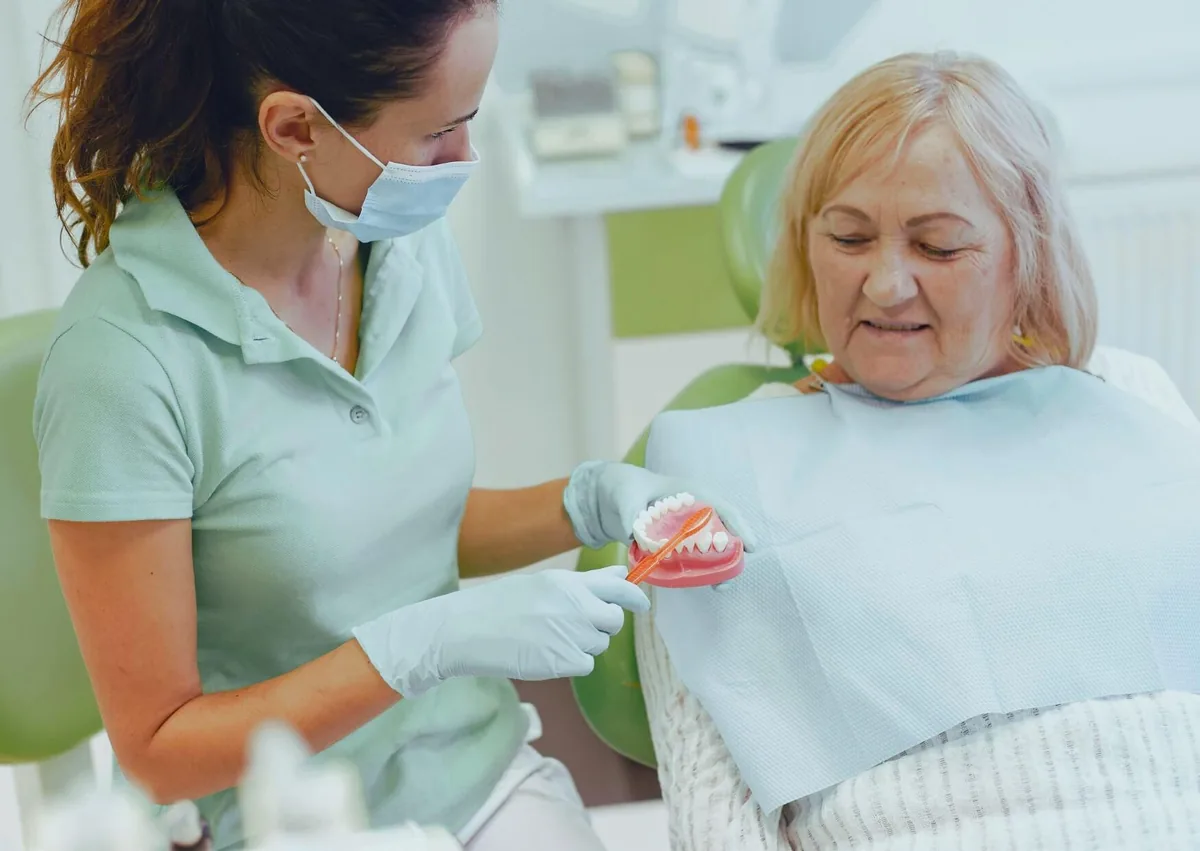
Planning a Denture Repair or Replacement Visit
FAQs
Should dentures be replaced after five years?
Can a reline make old dentures last longer?
Does needing more adhesive mean I need new dentures?
Related Articles